



Why Lease a New Hyundai? Discover the Benefits
The Benefits of New Hyundai Cars Lease Deals
Leasing a new Hyundai from Hyundai of 110 offers Farmingdale and Long Island drivers lower monthly payments than traditional financing, access to the latest models, and the flexibility to upgrade every few years, all backed by certified service technicians and current automotive technology.
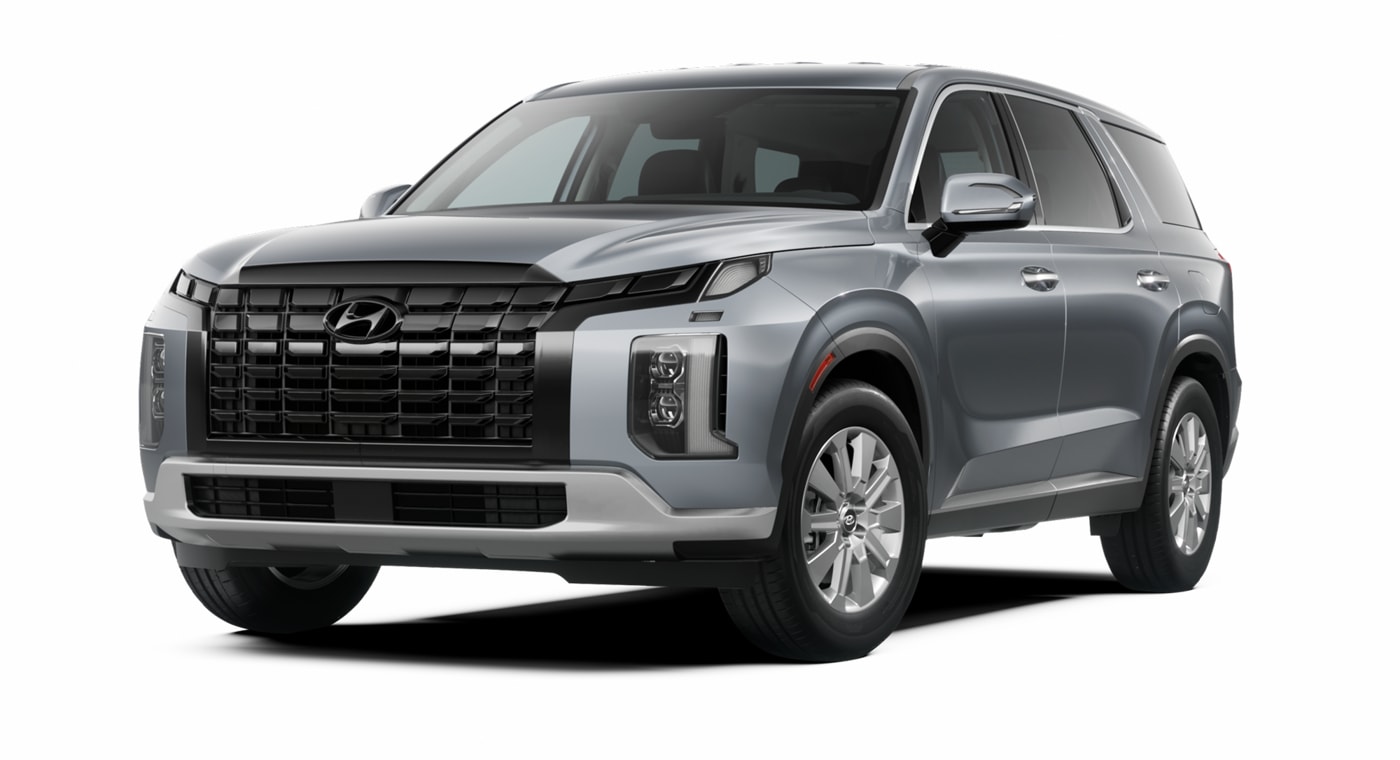
Key Takeaways
- Lower monthly payments reflect vehicle depreciation rather than full purchase price.
- Smaller upfront cash requirements improve short-term affordability for Hyundai lessees.
- Warranty coverage included with lease terms reduces unexpected maintenance expenses.
- New vehicle every few years ensures access to latest Hyundai technology.
Why Should Long Island Drivers Consider Leasing?
Farmingdale, New York, shoppers gain access to a full-service Hyundai dealership built around the latest models and current automotive technology. Long Island drivers weighing lease versus purchase decisions find that leasing often lines up better with how often people want to upgrade their vehicle. Many shoppers wonder whether leasing or financing makes more sense before signing on a new car. That question deserves a straight answer rather than guesswork.
Hyundai of 110 serves Farmingdale and the surrounding Long Island communities as a destination built for exactly this kind of decision. A wide selection of Hyundai sedans, SUVs, and electrified models sits ready for test drives, giving shoppers room to compare options side by side. Positioned as a premier stop for the newest Hyundai vehicles, the dealership gives drivers a direct look at current new Hyundai cars lease deals before committing to a purchase.
Is Leasing a New Hyundai the Right Choice for Long Island Drivers?
Leasing suits drivers who prefer driving a newer model every few years rather than keeping one vehicle long-term. Farmingdale-area commuters who value updated safety features. Infotainment technology often find leasing keeps them current without the burden of long-term ownership. Shoppers uncertain about their future mileage needs or driving habits can also benefit from exploring lease terms before deciding.
Consider these factors when comparing paths at Hyundai of 110:
- Access to the newest Hyundai sedans, SUVs, and electrified lineups
- A full-service dealership covering sales, service, and parts under one roof
- Guidance for Farmingdale and Long Island drivers weighing lease versus finance options
Drivers across Massapequa, Amityville, and Copiague benefit from the same premier selection and full-service support.
What Exactly Happens When You Lease?
Leasing a Hyundai works like an extended rental agreement rather than a purchase. A driver pays to use a new vehicle from the dealership for a set period rather than buying it outright. Shorter and longer terms exist too, giving Long Island drivers room to match a lease to daily driving habits.
The structure stays simple once the paperwork is signed. Monthly payments cover the lease term, and the vehicle goes back to the dealership when the agreement ends. No large final payment. No resale hassle. That predictability appeals to drivers in Farmingdale who want a new Hyundai without the long-term commitment of ownership.
How Does the Lease Process Actually Work Day to Day?
Nothing changes about how the car drives or feels. Payments arrive monthly, insurance stays active, and routine maintenance continues as expected throughout the term. The only real difference from ownership shows up at the finish line, when the vehicle returns to the dealership instead of staying in the driveway.
What Happens at the End of a Hyundai Lease?
Drivers typically choose to return the vehicle, lease a newer model, or explore a purchase option, depending on the terms set at signing. This flexibility is part of what draws Long Island shoppers toward lease deals in the first place.
Hyundai of 110 offers a full-service experience designed to walk drivers through each stage of a lease agreement, from initial paperwork to end-of-term decisions. As a one-stop shop for sales, service, and parts, the dealership keeps the process structured and transparent:
- Vehicle selection matched to driving needs
- Lease term and mileage discussion
- Monthly payment setup
- End-of-lease guidance and next steps
That structured approach removes guesswork for drivers weighing a lease against a traditional purchase.
How Does Leasing Lower Your Monthly Payment?
Monthly lease payments cost less than loan payments on the same vehicle because a lease charges only for depreciation, not the full purchase price. Buyers financing a purchase pay down the entire vehicle cost plus interest. Lease customers pay for the portion of value the car loses during the lease term, which keeps monthly costs down.
That structural difference explains why leasing a Hyundai often reduces monthly expenses compared with purchasing a comparable model. A shopper deciding between new Hyundai cars lease deals. A traditional auto loan can weigh that gap directly against a household budget. The savings show up every month, not just at signing.
Why Does a Bigger Model Lineup Matter for Lease Pricing?
A wide selection of new Hyundai sedans, SUVs, and electrified models gives shoppers more paths to a payment that fits their budget. Instead of settling for one trim level, a driver can compare several vehicles and terms side by side. That flexibility matters most for Long Island commuters juggling gas, insurance, and household costs against a monthly car payment.
Lease terms at Hyundai of 110 connect to more than a lower payment. The dealership operates as a one-stop-shop for sales, service, and parts. Lease customers get ongoing support throughout the term, not just at the signing table. Certified technicians maintain leased vehicles to manufacturer standards, protecting resale value and keeping the car running the way it should for the length of the agreement.
Consider how the two paths compare:
| Factor | Leasing | Buying |
|---|---|---|
| Monthly cost basis | Depreciation only | Full purchase price |
| Upfront cost | Typically lower | Typically higher |
| Ongoing support | Service and parts through the dealership | Service and parts through the dealership |
Long Island drivers weighing a new Hyundai lease against a purchase gain a clearer financial picture once the payment structure is laid out side by side.
What Upfront Costs Does Leasing Reduce?
Leasing reduces the cash required at signing. new Hyundai cars lease deals are structured around a smaller initial outlay than a traditional purchase. Buyers financing a vehicle outright often face a substantial down payment plus taxes and fees. Lease structures spread costs differently, easing the financial pressure at the start of the agreement.
Why do leases require less money upfront?
Monthly lease payments cover only the vehicle's projected depreciation during the term, not the full purchase price. That calculation method removes the need to finance the entire vehicle cost, which lowers both the initial payment and the monthly amount owed afterward. Shoppers on Long Island comparing sedans, SUVs, and EVs often find this structure fits tighter household budgets more comfortably than a standard purchase loan.
What does this mean for monthly budgeting?
Smaller upfront costs translate into more predictable short-term finances. A comparison makes the difference clear:
| Cost Factor | Financing a Purchase | Leasing |
|---|---|---|
| Upfront cash required | Typically higher | Typically lower |
| Payment basis | Full purchase price | Vehicle depreciation |
| Monthly payment | Higher on average | Lower on average |
For Farmingdale-area drivers weighing lease terms against a purchase, that lower entry cost frees up funds for insurance, maintenance, or simply everyday expenses. Reduced monthly payments compound the benefit. Less money leaves the household budget each month over the life of the agreement.
Hyundai of 110 guides shoppers through this decision with the same red-carpet-level attention given to every visitor. From the first walk-in to the final signature, staff walk drivers through how depreciation-based pricing affects both the upfront and ongoing cost of a lease, helping Long Island customers choose the structure that matches their financial priorities.
How Flexible Are New Hyundai Lease Terms?
Lease agreements at Hyundai of 110 come structured around individual driving needs rather than a one-size-fits-all contract. Farmingdale, New York positions the dealership as a convenient stop for Long Island drivers comparing new Hyundai cars lease deals without a long commute. Shoppers gain access to a premier selection of new vehicles, giving lease customers a wide range of models to weigh side by side before signing anything.
Terms can be tailored to match how a driver actually lives, not just what a standard contract assumes. That flexibility shows up in a few key places:
- Lease length — shorter or longer terms depending on how often a driver wants a new model
- Annual mileage limit — adjusted to reflect daily commuting distance across Long Island roads
- Overall structure — customized to fit budget and household driving habits
Can lease mileage limits be adjusted for Long Island commutes?
Mileage limits are not fixed at a single number for every driver. Someone commuting daily from Farmingdale to nearby towns can select a limit that reflects actual road time, avoiding costly overage charges at lease-end.
Does lease length affect monthly payments?
Term length plays a direct role in shaping a lease agreement. Shorter terms typically mean drivers return to a newer model sooner, while longer terms spread the arrangement out further.
Because Hyundai of 110 stocks a broad current lineup, drivers comparing sedans, SUVs, and EVs can align lease length and mileage terms with the specific model they choose. A commuter who drives short distances daily benefits from a different structure than a driver covering long stretches of the Long Island Expressway each week. Matching the agreement to real driving patterns, rather than accepting a generic default, keeps monthly costs aligned with actual use.
Which Lease Term Fits Your Driving Habits?
Mileage habits, not calendar preference, should decide a Hyundai lease term. A short commuter who rarely leaves Farmingdale needs a different plan than a frequent traveler racking up highway miles on the Southern State Parkway. Matching the lease structure to actual driving patterns keeps monthly payments predictable and avoids unwanted costs at turn-in.
How does mileage affect a Hyundai lease?
Drivers who commute frequently for work, or who take regular weekend trips, benefit from selecting a higher mileage allowance when structuring their lease deals. This flexibility means a Long Island sales rep logging highway miles all week isn't locked into a plan built for occasional errands. Choosing the correct allowance upfront costs less than adjusting after the fact.
Consider how driving habits typically map to lease structure:
- Light drivers (short local commutes, occasional errands): standard mileage allowance often fits comfortably.
- Moderate drivers (regular commuting plus weekend travel): a mid-tier allowance avoids overage concerns.
- Frequent drivers (long commutes, travel for work or leisure): a higher mileage allowance protects against added costs.
Does the vehicle choice matter as much as the term?
It does. Selection matters just as much as term length. Hyundai of 110 keeps a range of new sedans, SUVs, and electrified models on the lot. Shoppers considering shorter or longer commitments can find a vehicle suited to that specific plan. A driver weighing a two-year lease against a longer one shouldn't have to compromise on the vehicle itself to make the math work.
Once a mileage plan and vehicle are settled, service support remains consistent. Hyundai of 110's certified technicians care for leased vehicles no matter which mileage plan a driver selects, keeping the car in top condition through the full length of the agreement.
What Protections Come With A Hyundai Lease?
Lease protections shield drivers from many of the financial surprises tied to vehicle depreciation and unexpected damage. Many Hyundai lease deals include valuable safeguards, such as GAP coverage, that reduce out-of-pocket risk if a leased vehicle is totaled or stolen before the term ends. That kind of coverage matters for Long Island drivers navigating variable weather, traffic congestion, and daily commutes on the Southern State Parkway.
GAP coverage bridges the gap between a vehicle's actual cash value and the remaining lease balance. Without it, a driver involved in a total-loss accident could owe thousands beyond what insurance pays out. Bundling this protection into a lease agreement removes that financial exposure from the customer's shoulders.
Does Leasing Include Ongoing Service Support?
Service support extends well beyond the signing of lease paperwork. Hyundai of 110 operates as a one-stop-shop for sales, service, and parts throughout the entire lease term. Drivers don't need to search elsewhere for maintenance or repairs. That structure keeps every appointment, question, and follow-up under one roof for the life of the lease.
Why Does Dealership Reputation Matter For Lease Customers?
Reputation shapes the day-to-day experience of leasing a vehicle, not just the initial deal. A dealership's commitment to customer service and a knowledgeable, well-trained team gives lease customers confidence that concerns will be addressed promptly and professionally. That reliability builds trust over months of lease payments, not just at signing.
New Hyundai cars lease deals paired with these protections give area drivers a lower-risk path to modern SUVs, sedans, and electrified models. Farmingdale-area shoppers weighing lease versus purchase can factor in both financial safeguards and the surrounding service experience before committing to a term.
How Do You Start Your Hyundai Lease?
Starting a Hyundai lease begins with a visit to Hyundai of 110, located in Farmingdale, New York. Staff walk shoppers through every step of comparing lease and purchase options. Long Island drivers weighing a sedan, SUV, or EV lease against buying outright gain a clearer picture once terms and expectations are laid out side by side. A structured process removes much of the guesswork that stalls a purchase decision.
Farmingdale-area shoppers exploring new Hyundai cars lease deals benefit from a dealership built around a full-service experience. Sales, service, and parts all operate under one roof. The transition from browsing inventory to signing lease paperwork happens without shuffling between separate providers. That kind of continuity matters for anyone comparing lease structures across multiple Hyundai models.
What Should Long Island Drivers Expect During a Dealership Visit?
Visitors to Hyundai of 110 should expect a level of attentive, professional service that any car dealership ought to deliver. A committed customer service approach, strong resources, and an experienced team combine to give shoppers confidence at every stage. That standard applies whether someone arrives ready to lease immediately or still comparing sedans against SUVs.
Where Can Farmingdale Shoppers Get Lease Guidance?
Farmingdale residents, along with drivers from surrounding Long Island communities, can turn to Hyundai of 110 for direct guidance on lease versus purchase decisions. The dealership's location makes it a convenient stop for evaluating current Hyundai inventory in person.
A practical starting sequence looks like this:
- Review available sedans, SUVs, and electrified models in current inventory.
- Discuss lease terms, mileage expectations, and monthly payment structure with the sales team.
- Compare lease figures against financing figures for the same vehicle.
- Finalize paperwork through the dealership's full-service sales process.
Each step keeps the shopper informed, reducing surprises before a signature ever happens. That structured path is what separates a confident lease decision from a rushed one.
FAQ
What are the main benefits of leasing a new Hyundai?
Leasing delivers lower monthly payments based on depreciation, smaller upfront cash requirements, included warranty coverage, and access to a new vehicle with the latest technology every few years.
How long does a typical Hyundai lease term last?
A typical lease runs for a set period. Shorter and longer terms exist, giving Farmingdale and Long Island drivers flexibility to match a lease to their driving habits.
What happens when a Hyundai lease ends?
The vehicle returns to Hyundai of 110 with no large final payment. No resale hassle, letting drivers simply upgrade to a newer model.
Conclusion
In closing, leasing a new Hyundai delivers the combination of modern technology, predictable costs, and minimal maintenance concerns that today's drivers demand. By choosing to lease, you gain access to the latest vehicle innovations while enjoying the peace of mind that comes with comprehensive warranty coverage and professional service support. This approach allows you to drive with confidence, knowing your vehicle is backed by Hyundai's commitment to quality and reliability throughout your lease term.
Our Local Showroom
NY 11735, USA
Hyundai of 110
Address
2100 Broadhollow Road
Farmingdale, NY 11735
Phone
- Sales 848-208-1067848-208-1654
- Service 848-208-1378
- Parts 848-208-1738
| Monday | 9:00AM - 9:00PM |
| Tuesday | 9:00AM - 9:00PM |
| Wednesday | 9:00AM - 9:00PM |
| Thursday | 9:00AM - 9:00PM |
| Friday | 9:00AM - 9:00PM |
| Saturday | 9:00AM - 6:00PM |
| Sunday | 11:00AM - 5:00PM |
| Monday | 7:30AM - 4:30PM |
| Tuesday | 7:30AM - 4:30PM |
| Wednesday | 7:30AM - 4:30PM |
| Thursday | 7:30AM - 4:30PM |
| Friday | 7:30AM - 4:30PM |
| Saturday | 7:30AM - 3:30PM |
| Sunday | Closed |
| Monday | 7:30AM - 4:00PM |
| Tuesday | 7:30AM - 4:00PM |
| Wednesday | 7:30AM - 4:00PM |
| Thursday | 7:30AM - 4:00PM |
| Friday | 7:30AM - 4:00PM |
| Saturday | 8:00AM - 2:00PM |
| Sunday | Closed |