



Why Choose Hyundai Dealership Financing Over Banks
Why Choose Hyundai Dealership Financing Over Banks: Comprehensive Guide to Hyundai Auto Financing Options and Benefits
By Hyundai 110, Hyundai of 110. Many buyers must choose between dealership financing and bank loans. This article explains the advantages of Hyundai dealership financing, with a focus on Hyundai of 110 — a dealership specializing in current model-year vehicles and modern automotive technology. It outlines available financing options, the benefits of dealership financing, and comparisons with traditional bank financing to help buyers make informed choices aligned with their financial goals. Hyundai dealership financing offers a streamlined, customer-focused process. Bank loans can involve lengthy applications and rigid terms; dealership financing enables personalized solutions and tailored payment plans that fit a buyer’s budget. This article reviews Hyundai financing options, the advantages of dealership financing, and a detailed comparison to bank lending. Throughout the guide, readers will find practical considerations for choosing between leasing and buying, how to interpret promotional offers, what documentation speeds approval, and how to compare multiple offers. The goal is to give prospective buyers clear, usable guidance so they can confidently evaluate Hyundai of 110 financing alongside bank and credit union alternatives.
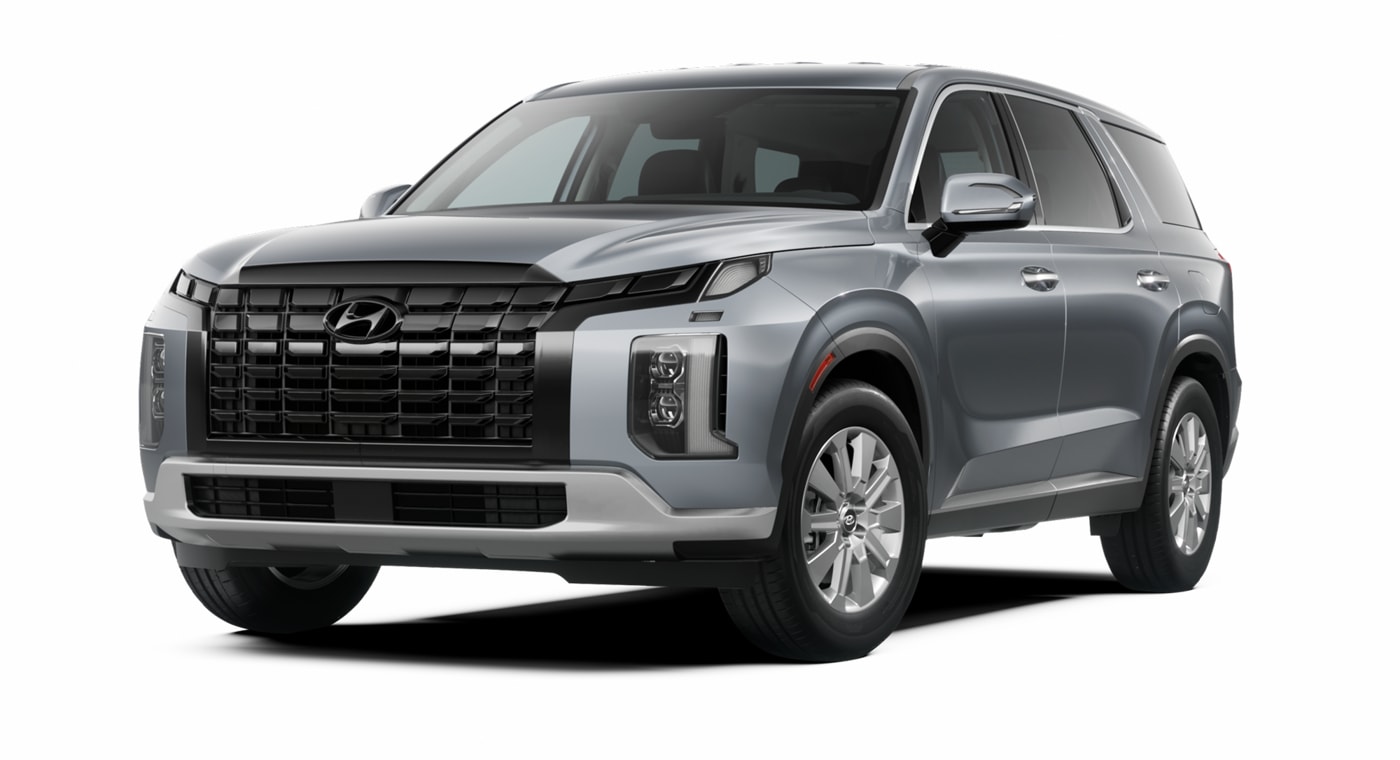
Hyundai Financing Options
Hyundai dealerships, including Hyundai of 110, provide several financing choices: standard auto loans, lease agreements, and manufacturer special programs. Each option has distinct benefits and eligibility criteria, so buyers should review them to select the most appropriate path.
| Financing Option | Description | Benefits |
|---|---|---|
| Auto Loans | Standard loans for purchasing vehicles | Ownership of the vehicle, flexible terms |
| Leasing | Renting a vehicle for a set period | Lower monthly payments, new car every few years |
| Special Programs | Manufacturer incentives and promotions | Reduced rates, cash rebates |
The table summarises the financing options available at Hyundai dealerships and their primary benefits. Reviewing these financing options will help buyers select the most suitable method for their circumstances.
Auto loans typically permit a range of term lengths (commonly from 36 to 72 months), and the length selected affects monthly payments and total interest paid. Shorter terms raise monthly costs but reduce total interest; longer terms lower monthly payments but increase interest over the life of the loan. Lease agreements are structured around residual value and allowed mileage; understanding mileage limits and end-of-lease charges is essential to avoid unexpected fees. Special manufacturer programs can include cash rebates, loyalty incentives, or promotional low-rate financing; these are often time-limited and may require specific eligibility, such as owning a qualifying vehicle or meeting demographic requirements like recent college graduation or military service.
Unique Benefits of Hyundai Financing
Hyundai dealership financing provides competitive interest rates, flexible payment plans, and manufacturer incentives that can improve affordability and the purchase experience.
- Competitive Interest Rates: Hyundai financing options start at competitive rates, often lower than those offered by traditional banks. For instance, rates can begin as low as 5.39% APR, making it an attractive option for buyers.
- Flexible Financing Plans: Dealerships provide customizable payment plans tailored to fit individual budgets, allowing for greater financial flexibility.
- Manufacturer Incentives: Exclusive offers, such as cash rebates and promotional financing, can significantly reduce the overall cost of the vehicle.
Together, these features make dealership financing an appealing option for buyers seeking personalised support and clearer terms. In addition to core rates and plans, dealerships can sometimes bundle maintenance plans, extended warranties, or service packages into the financing arrangement, which can simplify budgeting for routine care and potentially increase overall value for buyers who prefer predictable costs.
Another practical benefit is the ability to negotiate trade-in values while finalizing financing. A dealership can apply trade-in credit directly to the new purchase, lowering the financed amount and monthly payments. This one-stop approach reduces administrative work for the buyer and often speeds up the final transaction compared with coordinating separate trade-in sales and bank loan disbursements.
Comparison to Traditional Bank Financing
Comparing dealership financing with bank loans reveals key differences that affect buyer decisions. Understanding interest rates, term flexibility, and process convenience helps buyers choose financing aligned with their goals.
- Interest Rates: Hyundai's promotional rates can lead to better overall savings compared to banks, which may offer higher rates based on credit profiles.
- Flexibility in Financing: Dealership financing often provides more flexible terms, allowing buyers to negotiate payment plans that suit their financial situation.
- Convenience: The dealership financing process is typically more streamlined, with fewer steps involved compared to applying for a bank loan.
This comparison underscores the value of dealership financing for buyers prioritising convenience and customised service. That said, buyers should still compare offers: banks and credit unions sometimes offer competitive or lower long-term rates for well-qualified borrowers. Getting a pre-approval from a bank or credit union before visiting the dealership gives added negotiating leverage and a clear baseline for evaluating promotional dealership offers.
Key factors to compare when evaluating dealership versus bank financing include APR, loan term, origination or processing fees, early payoff penalties, and the impact of any manufacturer incentives. For leases, compare the money factor (lease rate equivalent), residual value, and permitted mileage to calculate comparable monthly costs.
Frequently Asked Questions
What Should I Consider When Choosing Between Leasing and Buying?
Deciding to lease or buy depends on your driving habits and finances. Buying builds equity and grants ownership; leasing typically lowers monthly payments and lets you replace the vehicle every few years. Consider mileage allowances, maintenance responsibilities, and intended ownership duration to determine the better option.
Examples: If you drive long distances annually, buying may be more economical because leases impose mileage limits that can trigger charges. If you prioritise driving new models on a regular cycle and prefer lower monthly payments, leasing may better match your preferences.
Are There Any Down Payment Requirements for Hyundai Financing?
Down payment requirements vary by financing program. Larger down payments generally lower monthly payments and interest costs. Some promotional programs may offer low or no down payment—confirm current offers with the dealership.
When evaluating a no-down-payment offer, check whether any fees are rolled into the loan or lease and how that affects the long-term cost. Putting money down reduces negative equity risk (owing more than the vehicle is worth) and can improve approval odds for buyers with limited credit history.
How Can I Improve My Credit Score Before Applying for Financing?
Improving your credit can secure better rates. Pay down balances, make all payments on time, and check your credit report for errors. Lowering your credit utilisation and avoiding new credit applications before applying also helps; becoming an authorised user on a well-managed account can be beneficial.
Additional tips include maintaining existing accounts open to preserve length of credit history, disputing inaccuracies promptly, and budgeting to avoid late payments. Even small improvements in credit can translate to meaningful reductions in offered APRs over time.
What Additional Costs Should I Be Aware of When Financing a Vehicle?
Factor in taxes, registration, insurance, and routine maintenance when budgeting for a financed vehicle. Dealership fees related to financing may also apply. Reviewing total cost of ownership prevents unexpected expenses.
Other items to budget for include dealer documentation fees, optional add-ons (paint protection, interior packages), GAP insurance if desired, and potential end-of-lease charges for excess wear or mileage. Insurance premiums can vary substantially by model and coverage level, so get quotes before committing.
How Often Do Hyundai Financing Promotions Change?
Hyundai financing promotions change regularly—often monthly or in response to market conditions. Dealerships may run seasonal or limited-time offers; check with your dealership or sign up for updates to stay informed.
Because promotions can change quickly, bookmark official manufacturer pages and confirm any advertised rate or rebate in writing before signing. Promotions may be subject to credit approval and other eligibility rules; make sure to read the fine print.
What Should I Bring When Applying for Financing at a Hyundai Dealership?
Bring proof of income (recent pay stubs), valid photo ID, Social Security number, and trade-in documents if applicable. Having these ready speeds the approval process.
Additional useful documents include recent utility bills for address verification, proof of residence if needed, bank statements when self-employed, and vehicle title or payoff information for trade-ins. If you plan to use special incentives (college grad, military), bring documentation that confirms eligibility.
Can I Get Financing for a Used Hyundai Through a Dealership?
Yes. Dealerships, including Hyundai of 110, offer financing for used and certified pre-owned vehicles, which may include extended warranty benefits. Eligibility depends on credit profile and the vehicle's age and mileage; discuss options with the dealership.
Certified pre-owned programs often include multi-point inspections, manufacturer-backed warranties, and sometimes promotional financing at competitive rates. Interest rates for used cars can be higher than for new vehicles, so compare terms and consider the vehicle’s remaining warranty and maintenance history when deciding.
Hyundai dealership financing delivers competitive rates, flexible plans, and manufacturer incentives that can simplify the purchase process. Prospective buyers should consider Hyundai of 110 for a tailored, service-oriented financing experience.
Before finalising a decision, compare a dealership offer with pre-approval quotes from banks or credit unions, examine total cost of ownership, and confirm eligibility for any manufacturer specials. Doing this ensures you choose the financing path that best fits your budget and long-term goals.
What Are the Key Benefits of Hyundai Dealership Financing Compared to Bank Loans?
Hyundai dealership financing offers convenience, personalised guidance, and competitive rates that many buyers find advantageous.
- Convenience: The financing process at dealerships is often quicker and more straightforward, allowing customers to complete their purchases in one location.
- Personalized Assistance: Dealerships provide dedicated financing specialists who can guide customers through the process, ensuring they understand their options.
- Competitive Rates: Many Hyundai dealerships offer financing rates that are competitive with or better than those available through banks.
How Does Dealership Financing Offer Convenience and Personalized Assistance?
Dealership financing consolidates purchase and financing in one place, supported by financing specialists who explain options, answer questions, and align terms with customer goals. This reduces process complexity and stress.
Financing specialists can also run multiple lender quotes on the buyer’s behalf, explain lease residuals and money factors, and show how incentives apply to different structures. This side-by-side comparison is particularly helpful for buyers who prefer expert guidance over managing the details themselves.
What Manufacturer Incentives and Specials Are Exclusive to Hyundai Dealership Financing?
Dealership financing can include manufacturer incentives—cash rebates, promotional rates, and first-time buyer programs—not typically available from banks. For example, college graduate rebates may lower the purchase price and improve affordability.
Incentives are often combinable in specific ways; a financing specialist can show whether a cash rebate or promotional APR provides the better net cost for your situation. Always confirm eligibility criteria and whether choosing one incentive excludes another.
How Do Hyundai Financing Programs Work at Hyundai of 110 in Farmingdale, NY?
At Hyundai of 110, buyers submit an application reviewed by financing specialists who assess creditworthiness and present appropriate loan or lease options. The dealership emphasises customer service throughout approval and contract completion.
The process typically includes a credit check, review of available manufacturer promotions, application of any trade-in equity, and a clear explanation of monthly payment calculations. Buyers should ask for a written outline of fees, APR, and total amount financed before signing.
What Loan and Lease Options Are Available Through Hyundai Dealership Financing?
Dealership financing includes loans that lead to ownership and leases that provide shorter commitments and lower monthly payments. Each option suits different preferences and financial plans.
Loan choices often vary by term length, and some programs target buyers seeking lower monthly payments with longer terms while others focus on paying down principal more quickly. Lease offers will specify allowed mileage and potential charges for excess wear; review these carefully to estimate true lease costs.
How Is the Credit Approval Process Streamlined at Hyundai of 110?
Hyundai of 110 offers online and in-person applications; financing specialists promptly evaluate credit and aim for faster approvals so customers can focus on vehicle selection.
Submitting documents electronically ahead of a visit can shorten time at the dealership. If a buyer is pre-approved elsewhere, bringing that pre-approval letter helps the financing team compare offers and possibly improve terms through combined incentives.
What Are the Differences Between Hyundai Lease and Loan Options?
Leases generally have lower monthly payments and limited terms, often with mileage caps; loans require higher payments but result in ownership and potential long-term savings. Evaluate personal use and finances when choosing.
Consider whether you want to keep the vehicle after payments end or prefer switching vehicles regularly. Loans build equity and may be preferable for buyers who plan to keep a car many years; leases fit buyers prioritising short-term commitments and lower monthly cash outlay.
How Do Lease Terms Compare to Loan Terms for Hyundai Vehicles?
Leases usually impose mileage limits and shorter durations with lower payments, while loans extend longer terms, higher payments, and ownership at the end. Consider mileage and long-term costs.
When comparing, calculate the total cost over an equivalent period (for example, three years) to see whether leasing or financing results in lower out-of-pocket expense or better value given your driving profile.
Which Financing Option Best Fits Different Customer Needs?
For long-term ownership, loans are appropriate. For lower payments and frequent model updates, leasing is preferable. Review your budget and driving patterns to decide.
Also factor in tax considerations if applicable in your state, employer reimbursement programs, or business use where lease or loan treatment may differ. Speak with the dealership or a tax advisor for specifics related to business use.
How Do Auto Loan Rates at Hyundai Dealerships Compare to Traditional Banks?
Hyundai dealership rates are often competitive with bank offerings. Promotional rates can produce notable savings; compare offers to secure the best terms.
Dealerships may sometimes offer short-term promotional APRs that are lower than standard bank rates. However, banks or credit unions may provide stable, long-term financing advantages for borrowers with excellent credit. Comparing the total cost of financing — not just monthly payments — is essential.
What Competitive Loan Rates Does Hyundai of 110 Offer?
Hyundai of 110 advertises competitive loan rates, with rates starting as low as 5.39% APR, which can lower monthly payments and total interest costs.
Availability of promotional rates depends on credit approval and program rules. Ask the finance specialist whether the advertised rate applies to the exact model and trim you are considering and whether additional incentives can be layered with that rate.
How Do Manufacturer Financing Specials Impact Overall Loan Costs?
Manufacturer specials—lower interest and cash rebates—reduce the financed amount and overall loan cost. Taking advantage of these offers can improve payment terms and affordability.
When evaluating a special, run the numbers both with and without the incentive to understand whether a cash rebate or lower APR yields better savings for your planned term. Dealers can provide amortization examples showing total interest costs under each scenario.
What Financing Assistance Does Hyundai of 110 Provide for New and Used Hyundai Vehicles?
Hyundai of 110 assists buyers of new and used vehicles by explaining options, guiding applications, and offering competitive rates. Their customer-focused approach supports informed decisions.
Assistance can include walk-throughs of lease-end options, help securing GAP coverage, and explanations of certified pre-owned warranty coverage. Buyers benefit from asking for a clear written summary of financing terms and any optional products included in the contract.
How Does Local Expertise Enhance Financing Support in Farmingdale and Long Island?
Local market knowledge helps Hyundai of 110 provide financing solutions tailored to Farmingdale and Long Island customers. This familiarity improves relevance of recommendations and ease of process.
Local dealers are often tuned to area demand, typical driving patterns, and common buyer preferences; that insight helps match lease mileage allowances and loan terms to likely customer needs in the region.
What Are the Advantages of One-Stop Shopping for Vehicle Purchase and Financing?
One-stop shopping lets customers complete purchase and financing at a single location, saving time and reducing administrative steps. On-site specialists provide immediate support.
Completing trade-in appraisal, financing, and paperwork at the dealership reduces back-and-forth and typically enables immediate delivery of the vehicle. It also simplifies resolving questions about bundled products and optional add-ons before signing.
How Can Customers Benefit from Hyundai Financing Specials and Manufacturer Incentives?
Hyundai financing specials and manufacturer incentives—such as cash rebates and reduced rates—lower the effective purchase price and monthly payments, improving affordability.
Buyers should ask whether incentives are offered nationwide or vary regionally, and verify whether dealer-specific specials exist. Always request written confirmation of the incentive and any requirements to qualify.
What Current Hyundai Manufacturer Incentives Are Available?
For the current model year, Hyundai offers incentives including cash rebates for groups like college graduates and military personnel, along with promotional financing rates. Check current offers to identify applicable savings.
Since incentives change regularly, verify the precise terms for the model year and trim you plan to purchase. Eligibility rules and the interplay between cash rebates and low-rate financing can affect which incentive produces the best net savings.
How Do These Specials Improve Affordability and Financing Terms?
Specials lower interest rates and offer cash rebates that reduce the financed amount, leading to smaller monthly payments and overall savings.
Work with a financing specialist to see amortization illustrations that show how a rebate or reduced APR affects monthly payments and total interest to choose the most cost-effective option for your situation.
What Are Common Questions About Hyundai Dealership Financing vs Bank Loans?
Common questions focus on differences in interest rates, flexibility, and convenience between dealership and bank financing. Clear answers help buyers choose with confidence.
Other frequent questions include the effect of trade-ins on financing, whether to refinance later, and how optional products (extended warranties, GAP insurance) interact with loan terms.
Is Dealership Financing Better Than a Bank Loan for All Credit Profiles?
Dealership financing can suit a range of credit profiles. Many dealerships, including Hyundai of 110, provide programs that accommodate lower credit scores, offering options that may be harder to obtain from traditional banks.
However, the best route depends on individual credit history and priorities. Buyers with excellent credit should compare dealership offers to bank pre-approvals; those rebuilding credit may find dealer programs easier to access, though possibly at higher rates.
What Credit Scores Are Needed for Hyundai Dealership Financing?
Requirements vary by program. Generally, scores above 620 may qualify for competitive rates, though financing options exist for lower scores. Review options with the dealership to understand qualification thresholds.
If you are near a threshold, discuss how a larger down payment, a co-signer, or a shorter term might affect available rates and approval probability. Credit improvement prior to application can also yield better offers.
How Does Hyundai of 110 Ensure Transparent Pricing and Reliable Financing Information?
Hyundai of 110 maintains transparent pricing and clear financing disclosures, including interest rates and fees. This transparency helps customers make informed choices without unexpected charges.
Ask for a written summary of all fees, APR, monthly payment calculations, and the total amount financed. Reviewing the contract line-by-line before signing helps ensure that verbal promises are also captured in writing.
How Is Up-to-Date Vehicle Pricing Maintained?
Hyundai of 110 regularly updates pricing to reflect market conditions and manufacturer guidance. Keeping prices current supports fair transactions and customer confidence.
Prices shown online or quoted over the phone should be confirmed in writing at the time of purchase, since inventory, incentives, and market adjustments can change quickly.
What Role Does Verified Manufacturer Program Information Play in Financing Decisions?
Verified manufacturer program details provide reliable data on incentives and financing terms. Relying on verified information helps buyers choose options that match their financial goals.
Always cross-check incentives and eligibility with official manufacturer sources or the dealership’s finance office to avoid misunderstandings. Verified program details reduce the risk of surprises and ensure advertised offers are legitimate.
Our Local Showroom
NY 11735, USA
Hyundai of 110
Address
2100 Broadhollow Road
Farmingdale, NY 11735
Phone
- Sales 848-208-1067848-208-1654
- Service 848-208-1378
- Parts 848-208-1738
| Monday | 9:00AM - 9:00PM |
| Tuesday | 9:00AM - 9:00PM |
| Wednesday | 9:00AM - 9:00PM |
| Thursday | 9:00AM - 9:00PM |
| Friday | 9:00AM - 9:00PM |
| Saturday | 9:00AM - 6:00PM |
| Sunday | 11:00AM - 5:00PM |
| Monday | 7:30AM - 4:30PM |
| Tuesday | 7:30AM - 4:30PM |
| Wednesday | 7:30AM - 4:30PM |
| Thursday | 7:30AM - 4:30PM |
| Friday | 7:30AM - 4:30PM |
| Saturday | 7:30AM - 3:30PM |
| Sunday | Closed |
| Monday | 7:30AM - 4:00PM |
| Tuesday | 7:30AM - 4:00PM |
| Wednesday | 7:30AM - 4:00PM |
| Thursday | 7:30AM - 4:00PM |
| Friday | 7:30AM - 4:00PM |
| Saturday | 8:00AM - 2:00PM |
| Sunday | Closed |