



Hyundai Lease Specials Near Me You Can't Miss
Hyundai Lease Specials Near Me You Can't Miss: Discover the Best Lease Deals and Incentives
By Hyundai 110, Hyundai of 110. Securing the right Hyundai lease can lower your cost while avoiding long-term ownership. This article outlines current Hyundai lease specials near Farmingdale, NY, and highlights incentives. Whether you prefer the Hyundai Elantra, Tucson, or Venue, these offers merit review. We cover the benefits of leasing, how to compare new and used lease specials, and why Hyundai of 110 is a local resource for these offers. After reading, you will understand the leasing options and how to evaluate them, including practical steps for negotiation, what to inspect at lease end, and how to plan mileage and maintenance to avoid unexpected costs.
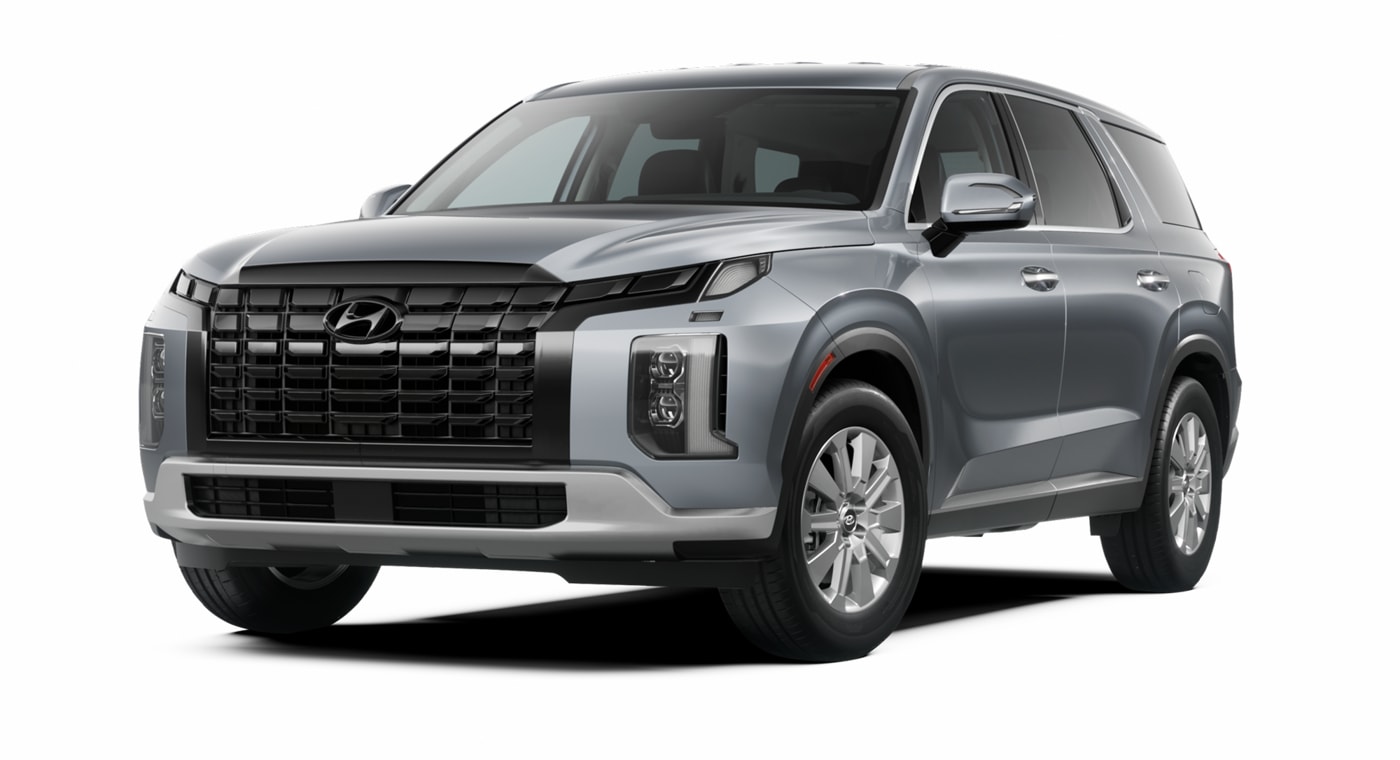
What Are the Current Hyundai Lease Specials Available Near Farmingdale NY?
Hyundai of 110 presents lease specials tailored to different needs and budgets. Below are the current offers for popular Hyundai models:
| Vehicle Model | Monthly Payment | Lease Term | Due at Signing |
|---|---|---|---|
| Hyundai Elantra | $259 | 36 months | $3,699 |
| Hyundai Tucson | $289 | 36 months | $3,999 |
| Hyundai Venue | $229 | 36 months | $3,499 |
These specials let you drive a new Hyundai with lower monthly cost than purchasing. Each offer has eligibility requirements; contact the dealership for full details. When evaluating a listed special, confirm whether the advertised payment includes tax, title, registration, and any applicable fees. Also ask whether the offer assumes a specific mileage allowance and credit tier so you can compare apples to apples when checking different deals.
Which Hyundai Models Feature Exclusive Lease Offers?
Several Hyundai models have exclusive lease offers. The Elantra, Tucson and Venue are among the most requested, each with distinct advantages:
- Hyundai Elantra: Known for its sleek design and fuel efficiency, the Elantra is perfect for those who prioritize style and economy. Consider checking trim-level availability and included technology features when selecting a leased Elantra to ensure it meets daily driving needs.
- Hyundai Tucson: This compact SUV offers ample space and versatility, making it ideal for families or those needing extra cargo room. When leasing a Tucson, examine optional safety packages and cargo management accessories that may improve long-term satisfaction.
- Hyundai Venue: A smaller SUV that combines practicality with modern technology, the Venue is perfect for urban driving. Venue leases often appeal to city drivers because of easy parking and efficient operation; verify trim and feature choices if you need tech or comfort upgrades.
These models offer competitive lease terms and include current automotive technology and safety features. If you have a specific priority, like fuel economy, cargo space, or infotainment, list those needs before visiting the dealership to speed discussions and ensure you evaluate the most suitable trims.
How Do Verified Lease Prices and Terms Ensure Transparency and Trust?
Verified lease prices and terms ensure transparency and build trust. Clear, accurate information—monthly payment, lease term and amount due at signing—lets customers budget and avoid unexpected costs. Ask for a written lease summary that breaks down capitalized cost, residual value, money factor (interest), fees, and any rebates or incentives. Comparing these line items across offers helps reveal where savings exist and where apparent savings may be offset by higher fees.
Additionally, request clarification on how taxes are calculated and whether the quoted monthly payment includes state or local taxes. Confirm the dealer’s policies on early termination, wear-and-tear standards, and any permitted modifications. Knowing these details upfront reduces surprises and strengthens your negotiating position.
How Can You Compare New Versus Used Hyundai Lease Specials Effectively?
Comparing new and used lease specials requires understanding key differences. Consider:
- Cost Differences: New leases typically have higher monthly payments compared to used leases due to the vehicle's depreciation. However, new-vehicle incentives from manufacturers can sometimes offset that gap.
- Financing Options: New vehicles often come with better financing incentives, while used vehicles may have more flexible terms. Check whether manufacturer lease specials or dealer incentives apply only to new inventory.
- Incentives: Manufacturers frequently offer incentives on new models, which can make leasing a new vehicle more appealing. For used leases, look for certified pre-owned lease programs that include inspection and warranty protections.
Weighing these factors helps determine which option matches your needs and budget. Also compare long-term costs such as potential repair expenses, extended warranty availability, and how residual values differ between new and lightly used units—these affect monthly payments and end-of-lease options.
What Are the Benefits of Leasing a Certified Pre-Owned Hyundai?
Leasing a certified pre-owned (CPO) Hyundai offers advantages that improve value and provide added assurance for the lease term:
- Cost Savings: CPO vehicles are generally less expensive than new models, allowing for lower monthly payments. This can enable you to lease a higher trim or add options you might otherwise skip.
- Warranty Coverage: Many CPO vehicles come with extended warranties, providing peace of mind against unexpected repairs. Confirm the exact scope and duration of any CPO warranty to understand coverage limits and where you would take the vehicle for service.
- Quality Assurance: CPO vehicles undergo rigorous inspections, ensuring they meet high standards of quality and reliability. Obtain the certification checklist and service history when possible to confirm prior maintenance and any repairs performed before listing.
These benefits make CPO leasing an appealing choice for budget-conscious buyers who want added protection and predictable costs without taking on the full price of a new car.
How Do Lease Terms Differ Between New and Used Hyundai Vehicles?
Lease terms differ between new and used vehicles. Key distinctions include:
- Monthly Payments: New leases often have higher monthly payments due to the vehicle's higher value, while used leases can be more affordable. However, residual values and incentives can shift the math; always request a full payment worksheet.
- Incentives: New vehicles may come with promotional lease offers, while used vehicles might not have the same level of incentives. CPO programs sometimes bundle incentives with service offers to close the gap.
- Maintenance Coverage: New leases often include maintenance packages, whereas used leases may require additional out-of-pocket expenses for maintenance. Ask about included maintenance, roadside assistance, and whether the dealer can provide service contracts.
Understanding these differences helps you choose the lease that suits your needs. If you value predictable service costs, a new lease with included maintenance may be preferable. If upfront savings are most important, inspect CPO offers closely and verify warranty and inspection details.
What Financing Options Support Affordable Hyundai Lease Deals?
Several financing options can reduce lease costs. Common sources include:
- Manufacturer Financing: Hyundai Motor Finance often provides competitive rates and special offers for leasing new vehicles. These programs can include promotional money factors or reduced down payments tied to specific models or time frames.
- Credit Unions and Banks: Many financial institutions offer attractive lease financing options, especially for those with good credit. Compare rate quotes and terms from your credit union or bank to dealer offers to ensure you get a competitive package.
- In-House Financing: Some dealerships, like Hyundai of 110, may offer in-house financing solutions that can simplify the leasing process. In-house offers sometimes provide more flexible qualification criteria or bundled service options.
Reviewing these options will help identify the best financing solution for your lease. When comparing, request a complete lease worksheet that details the capitalized cost, any applied incentives, money factor, residual value, and all fees so you can evaluate the true monthly cost.
Why Choose Hyundai of 110 for Your Local Lease Specials in Farmingdale and Long Island?
Hyundai of 110 is a leading dealership for Hyundai leases in Farmingdale and across Long Island. Consider these reasons:
- Current Lease Offers: The dealership frequently updates its lease specials, ensuring customers have access to the latest deals. Because offers can change weekly, check their site or call to confirm current inventory and qualifications.
- Customer Service Reputation: Hyundai of 110 is known for its exceptional customer service, making the leasing process smooth and enjoyable. Read recent reviews and ask the dealer for references or testimonials to evaluate service consistency.
- Local Community Involvement: The dealership actively participates in local events and initiatives, fostering a strong connection with the community. Local engagement often indicates a stable relationship with area customers and focus on long-term satisfaction.
Choosing Hyundai of 110 means working with a dealership that emphasizes customer satisfaction and community involvement. If you prefer a local dealer that understands regional driving concerns and regulatory details, a nearby dealership can simplify registration and servicing throughout your lease term.
What Local Benefits and Services Enhance Your Leasing Experience?
Leasing from Hyundai of 110 includes local benefits and services that enhance the experience:
- Convenient Location: Situated at 2100 Broadhollow Road, Farmingdale, NY 11735, the dealership is easily accessible for local customers. A nearby service center reduces downtime for routine maintenance or unexpected repairs during the lease.
- Personalized Service: The staff at Hyundai of 110 is dedicated to providing personalized service, ensuring that each customer finds the right vehicle for their needs. Ask for a dedicated salesperson or service advisor who can track your account throughout the lease.
- Community Events: The dealership often hosts events that bring the community together, providing opportunities for customers to engage and learn more about their vehicles. Participation can also mean timely information about seasonal offers or service promotions.
These local services support a positive leasing experience and make it easy to schedule service, inspect vehicles before purchase, and receive timely communications about recalls or updates.
How Do Customer Testimonials Reflect Dealership Reliability?
Customer testimonials offer insight into dealership reliability. Positive feedback often highlights:
- Customer Satisfaction: Many customers share their satisfaction with the leasing process, emphasizing the professionalism and knowledge of the staff. Look for recurring themes in reviews—such as responsiveness or transparent pricing—that indicate consistent strengths.
- Transparency: Testimonials frequently mention the clarity of lease terms and pricing, reinforcing the dealership's commitment to transparency. Ask the dealer for a copy of a typical lease worksheet so you can verify that advertising matches contract language.
- Post-Lease Support: Customers appreciate ongoing support after the lease, including maintenance and service options. Good post-sale service is an important indicator the dealership will be helpful during lease-end inspections and potential buyouts.
Such testimonials build confidence in the dealership's reliability. When possible, contact recent customers or check community forums for local feedback to form a balanced view beyond curated testimonials.
What Maintenance and Service Specials Are Included with Hyundai Lease Offers?
Many lease offers include maintenance and service specials that add value. Common inclusions are:
- Routine Maintenance: Many lease agreements cover routine maintenance, such as oil changes and tire rotations, reducing overall ownership costs. Confirm which services are included and the schedule for redeeming them.
- Roadside Assistance: Some leases include complimentary roadside assistance, providing peace of mind during your travels. Verify the scope of assistance—towing distance limits, flat-tire changes, locksmith services, and fuel delivery—so you know what to expect.
- Service Discounts: Customers may receive discounts on additional services, making it more affordable to keep their vehicle in top condition. These discounts can reduce the cost of brake service, tires, and diagnostic inspections.
These specials can materially improve the leasing experience. Keep records of all services and receipts to simplify claims and support smooth lease-end inspections.
How to Schedule Service Appointments Conveniently Near You?
Scheduling service appointments at Hyundai of 110 is straightforward and customer-focused. Follow these steps:
- Online Scheduling: Customers can easily schedule appointments through the dealership's website, selecting their preferred date and time. Use the online portal to view available service slots and any current maintenance offers.
- Phone Scheduling: Alternatively, you can call (631) 756-8000 to speak with a service representative who can assist you in booking an appointment. Calling is useful when you need to explain symptoms or get advice about urgency.
- Tips for Efficient Booking: It's advisable to have your vehicle's information ready and to specify any particular services needed to streamline the process. Mention if the vehicle is under a lease-maintenance plan so the advisor can apply appropriate coverage.
These options allow customers to maintain their vehicles with minimal inconvenience. If you have routine service needs, consider booking recurring appointments in advance to secure preferred times and reduce wait times.
How Do Hyundai Lease Specials Compare to Buying: What Should You Consider?
Deciding between leasing and buying requires weighing several factors. Key considerations include:
- Ownership: Leasing allows you to drive a new vehicle without the long-term commitment of ownership, while buying means you own the car outright. If you want to avoid long-term maintenance costs and trade frequently, leasing might be more attractive.
- Financial Implications: Leasing typically results in lower monthly payments compared to financing a purchase, but you won't build equity in the vehicle. Consider how long you plan to keep a vehicle and whether building equity aligns with your financial goals.
- Flexibility: Leasing offers the flexibility to drive a new car every few years, while buying may tie you to a vehicle for a longer period. If your driving needs or lifestyle change frequently, leasing may reduce the hassle of selling or trading a used vehicle.
Understanding these differences helps you select the option that aligns with your lifestyle and finances. If you plan to keep a vehicle for many years, buying may be more cost-effective; if you prefer predictable monthly costs and frequent updates, leasing could be the better fit.
What Are the Financial Advantages of Leasing Over Buying?
Leasing can offer financial advantages over buying. Key benefits include:
- Lower Monthly Payments: Lease payments are generally lower than loan payments for purchasing a vehicle, making it easier to afford a new car. This can free up monthly budget for other needs or allow selection of higher trims for similar monthly spend.
- Access to Higher Trims: Leasing allows you to drive a higher trim level or more expensive model than you might afford to buy outright. If you value technology and comfort upgrades, leasing helps you access them with lower monthly cost.
- Potential Tax Benefits: In some cases, leasing may offer tax advantages, especially for business use, where lease payments can be deducted. Consult a tax professional to determine whether leasing generates tax benefits given your specific circumstances.
These financial advantages make leasing attractive for many buyers. Make sure to factor in fees, mileage charges, and potential wear-and-tear penalties when comparing total cost over the expected period of use.
How Does Lease-End Process and Vehicle Return Work?
Knowing the lease-end process ensures a smooth transition. Expect the following:
- Inspection Process: Before returning the vehicle, it will undergo an inspection to assess its condition and any potential excess wear and tear. Attend the inspection or obtain a copy of the inspection report so you can address disagreements promptly.
- Options at Lease Expiration: At the end of the lease, you typically have the option to purchase the vehicle, lease a new one, or return it without further obligation. If you like the vehicle, inquire about a buyout price early to compare it with market value.
- Final Payments: Ensure that any final payments or fees are settled to avoid complications during the return process. Ask for a final settlement statement summarizing charges so you can verify accuracy.
Being prepared for lease end helps ensure a seamless transition. If damage is noted that you believe falls within normal wear, gather maintenance records and photos taken before return to support your case.
How Do Lease Terms Like Duration and Down Payment Affect Monthly Costs?
Lease terms directly affect the cost of leasing. Key impacts include:
- Lease Duration: Longer lease terms typically result in lower monthly payments, but you may pay more in total over time. Choose a duration that fits your expected usage and anticipated mileage to avoid excessive charges at lease end.
- Down Payment: A higher down payment can reduce monthly payments, making it more affordable to lease a vehicle. However, consider whether putting large sums down is sensible for liquidity and protection against loss if the car is stolen or totaled.
- Residual Value: The vehicle's expected value at the end of the lease term also affects monthly payments; higher residual values lead to lower payments. Residuals are set by the leasing company and reflect projected depreciation.
Understanding these factors supports better negotiation of lease terms. Request examples of quoted payments with different down payments and lease lengths to see how monthly obligations change.
What Is Included in Hyundai Lease Offers Regarding Mileage and Wear?
Hyundai leases set specific terms for mileage and wear. Key points include:
- Mileage Restrictions: Most leases come with mileage limits, often set at 10,000 to 15,000 miles per year, with excess mileage fees for overages. If you expect higher usage, negotiate a higher mileage allowance up front to avoid steep per-mile charges at lease end.
- Wear and Tear Policies: Leases usually outline acceptable wear and tear, with potential charges for excessive damage beyond normal use. Review the lessor’s wear-and-tear guide and consider minor repairs before return to lower potential fees.
- Fees and Penalties: Understanding these terms can help you avoid unexpected costs at the end of the lease. Ask for an itemized schedule of possible charges so you can plan or address issues proactively.
Awareness of these terms helps manage the lease and avoid penalties. Take clear photos at vehicle delivery and periodically during the lease to document condition; this evidence can be useful if disputes arise at lease return.
Frequently Asked Questions
Can I negotiate the terms of my Hyundai lease?
Yes. Dealers often adjust elements such as vehicle price, down payment and lease terms. Research fair market values and the vehicle's MSRP to strengthen your position. Review current promotions and financing options, and discuss incentives with the dealership to obtain more tailored terms. Prepare a target monthly payment and a maximum out-the-door price, and be ready to walk away if offers don't match your budget.
What happens if I exceed the mileage limit?
Exceeding the mileage limit typically incurs excess mileage charges, often $0.15 to $0.20 per additional mile. It is essential to review your lease terms before signing. Some lessees negotiate higher mileage limits up front or consider lease transfer options if they expect higher usage. If you find yourself close to the limit near lease end, ask the dealer about purchasing additional miles at a discounted rate before returning the vehicle.
What should I do if my lease vehicle requires excessive repairs?
If repairs are covered by warranty, use warranty service before return. For repairs due to wear and tear, notify the leasing company; they can advise on options. Follow regular maintenance schedules to reduce the risk of large charges at lease end. If a repair results from an accident, file appropriate insurance claims and keep records to show authorized repairs rather than neglect.
Is it better to lease a Hyundai or buy one?
The choice depends on personal preferences and finances. Leasing typically offers lower monthly payments and more frequent vehicle updates; buying provides ownership and no mileage limits. Consider driving habits, financial goals and intended ownership period. Consult a financial advisor for personalised advice. If you plan to keep a car more than five years, buying may be more economical; if you prefer new features every few years, leasing is often preferable.
Are there any discounts available for leasing Hyundai vehicles?
Yes. Dealerships often offer discounts and incentives, such as military programs, recent graduate offers, and seasonal promotions. Ask the dealership about available promotions and check their website or contact them to confirm current incentives that may lower your monthly payment. Some incentives vary by region or are limited-time offers, so confirm eligibility and expiration dates.
What is the process for transferring a lease?
Lease transfer steps vary. Both current and new lessee must meet the leasing company's credit criteria. Start by contacting the leasing company to request a transfer and obtain required paperwork. Ensure the new lessee understands remaining obligations. Fees may apply; discuss potential costs with the leasing company. Many online marketplaces facilitate lease transfers and provide screening tools for prospective transferees.
How are lease-end inspections conducted?
Lease-end inspections are carried out by a dealership representative or independent inspector who assesses damage beyond normal wear, missing equipment and overall condition. Prepare by cleaning the vehicle and repairing minor damage. Attend the inspection when possible and raise any concerns in advance to reduce disputes. Keep maintenance records and photos to support your assessment if charges are contested.
Our Local Showroom
NY 11735, USA
Hyundai of 110
Address
2100 Broadhollow Road
Farmingdale, NY 11735
Phone
- Sales 848-208-1067848-208-1654
- Service 848-208-1378
- Parts 848-208-1738
| Monday | 9:00AM - 9:00PM |
| Tuesday | 9:00AM - 9:00PM |
| Wednesday | 9:00AM - 9:00PM |
| Thursday | 9:00AM - 9:00PM |
| Friday | 9:00AM - 9:00PM |
| Saturday | 9:00AM - 6:00PM |
| Sunday | 11:00AM - 5:00PM |
| Monday | 7:30AM - 4:30PM |
| Tuesday | 7:30AM - 4:30PM |
| Wednesday | 7:30AM - 4:30PM |
| Thursday | 7:30AM - 4:30PM |
| Friday | 7:30AM - 4:30PM |
| Saturday | 7:30AM - 3:30PM |
| Sunday | Closed |
| Monday | 7:30AM - 4:00PM |
| Tuesday | 7:30AM - 4:00PM |
| Wednesday | 7:30AM - 4:00PM |
| Thursday | 7:30AM - 4:00PM |
| Friday | 7:30AM - 4:00PM |
| Saturday | 8:00AM - 2:00PM |
| Sunday | Closed |