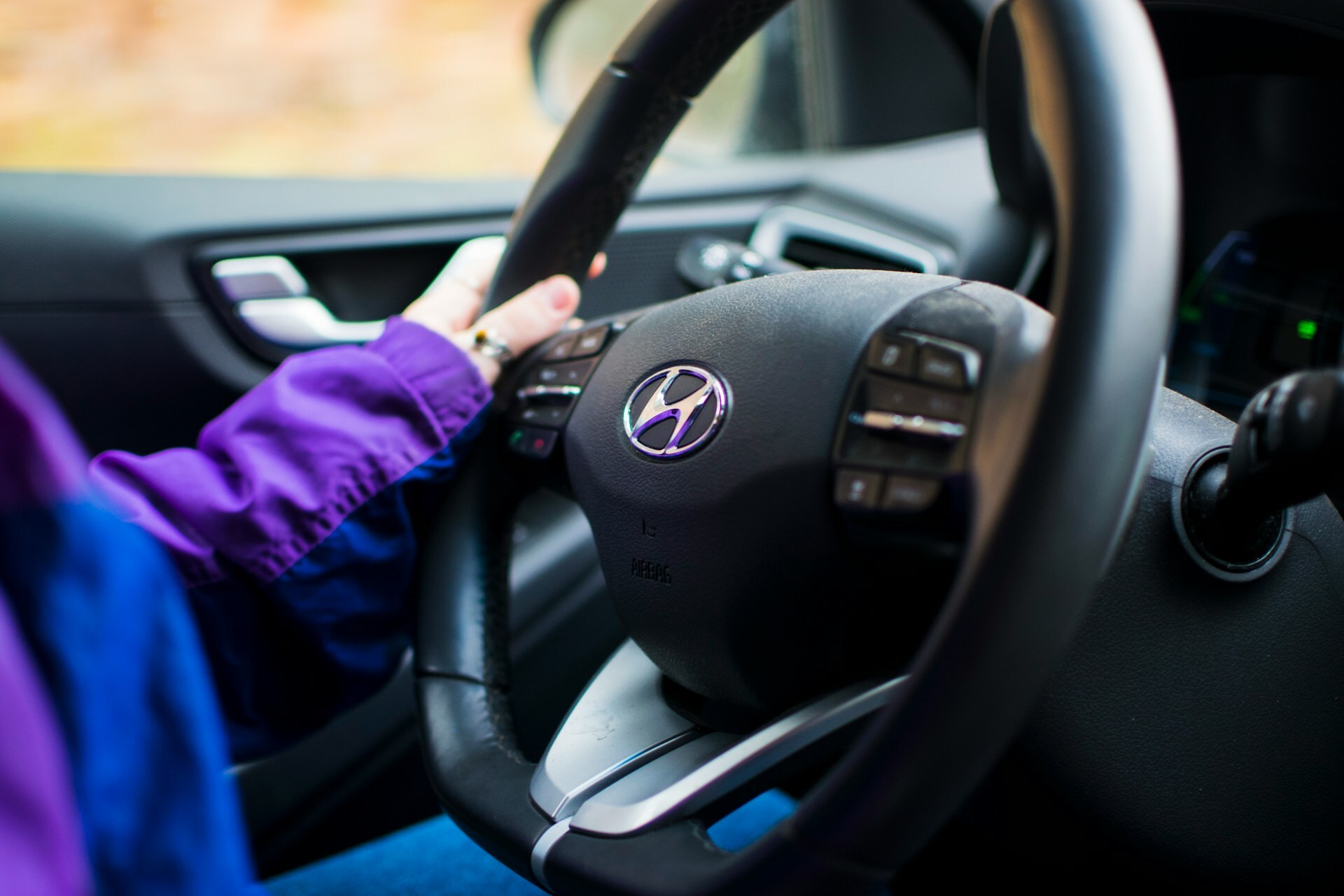
Winter on Long Island is not just a change in weather, it is a shift in how we drive. Snowy mornings, icy side streets, and frosty windshields are all part of the cold-season routine. For those stepping into new Hyundai cars for sale, the winter season can introduce a learning curve, especially when it comes to getting used to built-in tech features meant to make things easier.
From heated seats and smart apps to adaptive cruise and drive modes, today’s new vehicles offer helpful tools for cold days. Adjusting to these systems does not happen overnight. Real-world conditions—slippery roads, dark mornings, and lower temperatures—can affect how the tech responds and how confident drivers feel. Understanding these features helps drivers settle in and get more out of every trip in the colder months.
Getting Used to Cold-Weather Features
When you hear about heated seats or remote start, comfort is usually the first thing that comes to mind. These features are practical for winter days, too. With a simple setup, they can take away some of the hassle of scraping and heating while keeping everyone comfortable, without running the car longer than needed.
Seat warmers and heated steering wheels do more than make the cabin cozy. They warm up quickly and let the climate control system do its job more efficiently. This works especially well for short errands when there is not enough time for the entire heat system to reach full strength.
Some new Hyundai models let you pre-set climate times using the vehicle’s app. When plugged in at home, this means stepping into a car that is ready to go, without losing valuable charge. At first, controlling these settings might seem complicated. But after a few tries, most people find the timers and options become just part of their daily rhythm.
Adjusting to Driver Assist Tech in Icy Conditions
When winter arrives, driver assist technology can behave differently depending on the weather. Systems like lane keeping assist, smart cruise control, and forward collision warning use cameras and sensors, and they may react to snow or slush on the roads.
You may notice lane assist does not provide as much input when lane markers are covered with snow. Adaptive cruise might slow you down more cautiously if traction is lower. While these helper systems are tuned for safety, most drivers discover that getting comfortable with their winter responses takes real-world experience.
Many drivers benefit from gentle tests on quieter roads, seeing how much trust to put in the tech and how much control to keep for themselves. If you are not happy with how some assist features work in slippery conditions, it can help to check settings or get a quick professional checkup to adjust sensitivity and safety preferences for winter roads.
Understanding Electric Drive Systems in Winter
For those in electric or hybrid models, new Hyundai cars for sale feature multiple driving modes tailored for cold weather. Modes like “Eco” or “Snow” adjust how power is delivered and how traction control responds to snowy or slushy pavement. These settings can change how the car grips the road, making a noticeable difference in trickier weather.
Regenerative braking (which helps recharge the battery when slowing down) can also be adjusted. On icy streets, drivers often find lower regen levels provide smoother stops and keep the ride feeling steady. Many electric models offer all-wheel drive too, supporting traction when the roads get slick or packed with snow.
Newer Hyundai electric models, like the Ioniq 5 or Kona Electric, offer clear dashboard displays for adjusting drive and regen settings, making it easier to fine-tune performance for different winter conditions.
Setting Winter Routines Around Charging
Colder weather can mean small shifts in how and when you charge. Battery range tends to drop in winter, so you might want to charge overnight (especially in a garage) or pick a time during the day when the temperature is warmer.
Using the MyHyundai app or in-car systems, drivers can set charging schedules, start the heater in advance while the car is plugged in, or check battery levels before heading out. This means you can have a warm car and a full battery in the morning without losing range during heating.
Starting with a regular charge routine and tweaking as your needs change (for workdays, errands, or weekend travel) makes winter EV use feel much more dependable and stress-free.
Winter Confidence Built Over Time
New Hyundai cars for sale have plenty of built-in features for comfort, safety, and peace of mind during winter. Even the best tech takes time to feel natural. Most drivers find the first week or two bring the biggest learning curve, then adjusting to the new systems becomes part of the regular routine.
As Long Island settles into the colder months, expect a brief period of getting used to your vehicle’s winter performance and features. Embracing these built-in tools helps make every drive steadier and more comfortable, so local winter driving stays simple and confident all season.
Getting familiar with how winter tech features work on Long Island roads? Now’s a great time to explore our lineup of new Hyundai cars for sale. At Hyundai of 110, we’re here to help you make the most of cold-weather driving with vehicles built to keep things smooth, safe, and comfortable all season.